
Clinical Practice
Psychiatry and Addiction Medicine
Psychiatry (ABPN), Fellow of APA · Addiction Medicine (ABPM), Fellow of ASAM · Licensed WA · OR · MT · NY · CA
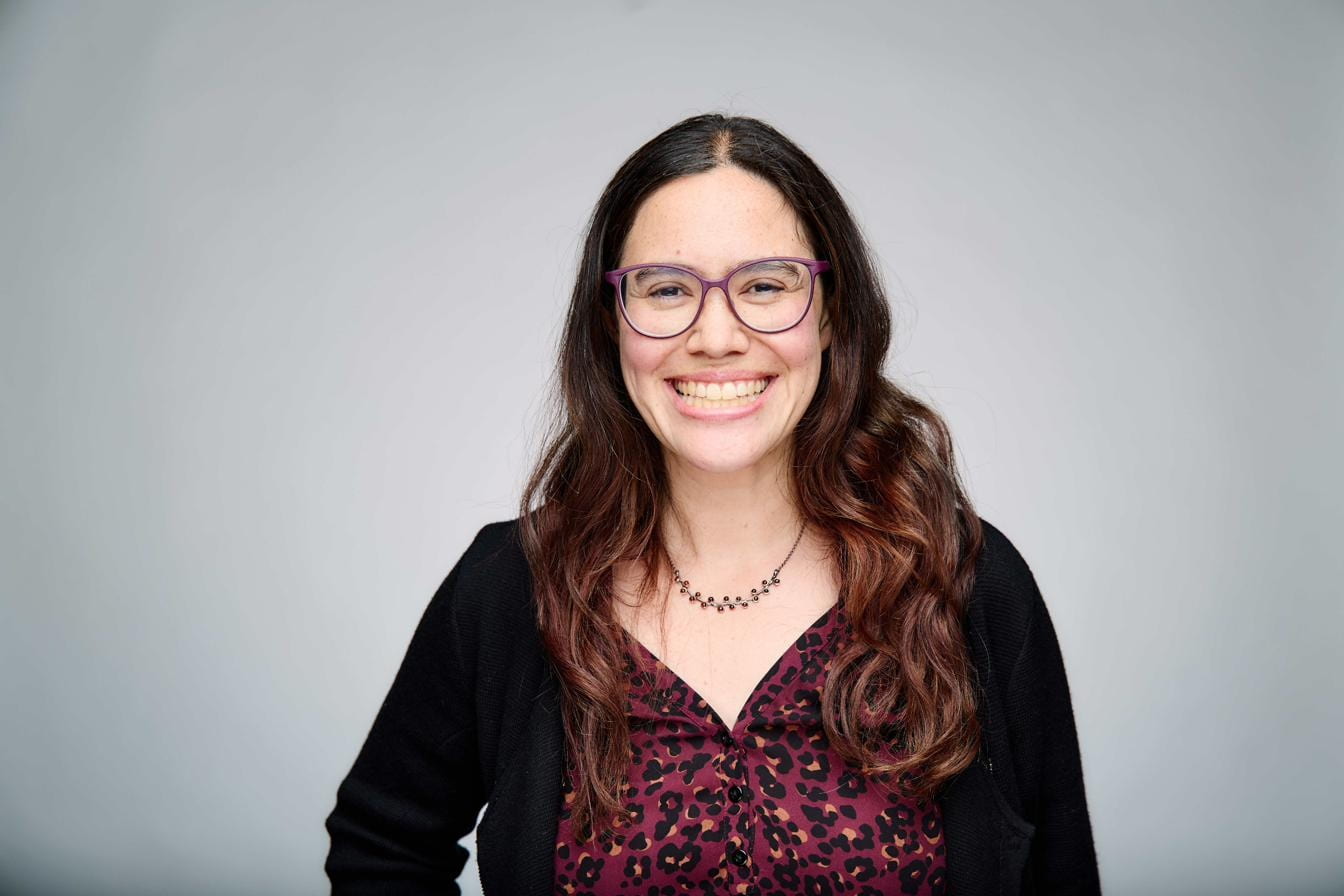
My Approach
I run a psychiatry private practice, mostly remotely
I am board certified in both psychiatry and addiction medicine, and I bring the latest understanding of the research as well as a deep curiosity about the human experience to my work, including careful medication management and the art of de-prescribing and de-diagnosing, helping patients step away from treatments that are no longer serving them.
One aspect that makes my practice special is that I am happy to do both therapy and medication management for those who are looking for both in one place. I offer direct pay services outside of insurance to keep the doctor patient relationship about what you need, and not what a third party reviewer wants. I love complexity, I am not in a hurry, and I take the time to individualize treatment to your needs. I want to be a thought partner for your mental health. I am also happy to do one-off consultations for primary care physicians with questions about their patients.
How I Think
Slow, deliberate, and curious
I try to live with as much curiosity and openness as I can manage, and I believe deeply in iteration, trying things, making mistakes, updating your understanding, and trying again. What we know about the brain and the human mind is always changing, and I am committed to constantly updating my understanding to match the latest science. Whether it's the newest medication, AI tool, or time spent in nature that helps people live their best lives, I'm always looking to grow my understanding and bring that into the clinic.
A patient once asked me why I was doing this, since I could clearly charge more for shorter visits and see more people. To me the answer is clear. Good care is not about extracting every possible dollar from every minute. I would rather work with patients who would genuinely benefit from working with me than only the ones who could afford whatever the market would bear.
My practice is LGBTQIA friendly. I work with patients across a wide range of identities, sexualities, and relationship structures. I will not assume that your personal choices are the root of your problems. There are many healthy ways to live and love.
What I Treat
A broad range of psychiatric conditions, with a particular love of complexity
- Depression and mood disorders
- Bipolar disorder
- Anxiety and OCD
- PTSD and trauma
- ADHD
- Insomnia
- Schizophrenia and psychosis
- Chronic pain
- Addiction and substance use
- Life transitions
- Surgical clearance evaluations
- Complex diagnostic cases
I am also drawn to the question of what we call normal, and how much of what gets labeled as disorder is really just human variation that does not fit neatly into the bell curve medicine was built around. I am still here to help you find the right diagnosis and the right medication if that is what you need, but my ideal patient wants to go deeper.
Practical Info
Practical Information
I am currently accepting new patients in Washington State. For other states where I am licensed, Oregon, Montana, New York, and California, please inquire so we can see if the practice would be a good fit. All care is delivered by video. I do not offer phone-based treatment, though I am happy to do an initial phone call to see if we might be a good fit. I use Spruce for secure messaging. If you have reached out and have not heard back within a week, please send a follow-up.
Controlled medications, primarily for ADHD and panic disorder, are prescribed where clinically appropriate. Due to the current federal DEA telehealth waiver, this can happen through video. I anticipate needing a one-time in-person session when the waiver expires. For Washington patients that will likely occur in Seattle. For other states, please reach out to discuss logistics. While I am happy to discuss ways to address chronic pain with a psychiatric lens, I do not prescribe chronic opioids for pain management and recommend seeing a fellowship trained pain specialist if you need these prescribed.
I do not work with insurance. Superbills are available on request for out-of-network reimbursement. My billing platform accepts FSA and HSA payments directly. Please contact me for the most current fee schedule.
Your care is private and protected. A copy of my privacy policies is shared with all new patients and available on request at any point during treatment.
I see patients ages 13 to 64.
FAQ
Frequently Asked Questions
How are visits performed?
All visits are by video. I am happy to do an initial phone call to see if we might be a good fit.
Are you taking new patients?
Yes, in Washington State. For other licensed states please inquire.
Do you work with insurance?
No. Superbills are available for out-of-network reimbursement. My billing platform accepts FSA and HSA directly.
What are your fees?
Please contact me for the most current fee schedule.
What age patients do you see?
I see patients ages 13 to 64.
Are your services confidential?
Yes. Your care is private and protected. A copy of my privacy policies is shared with all new patients and available on request at any point during treatment.
Do you prescribe controlled medications?
Yes, where clinically appropriate, primarily for ADHD and panic disorder. Please see the scheduling section above for DEA telehealth information.
What should I do in a crisis?
If you are in immediate danger, call 911 or go to your nearest emergency room. You can also call or text 988 to reach the Suicide and Crisis Lifeline.
Get in Touch
Ready to reach out?
Please read the FAQ above before completing this form.
Open inquiry formWhile this form is managed through a HIPAA-compliant Google Workspace, I recommend minimizing PHI since we do not have a doctor-patient relationship.
Why See a Psychiatrist
People often ask about the difference between a psychiatrist, a psychologist, a therapist, and a psychiatric nurse practitioner
It is a fair question and the distinctions actually matter. A psychiatrist is a medical doctor. That means four years of medical school covering the full breadth of human medicine, followed by four years of psychiatric residency with supervised clinical training across inpatient, outpatient, and specialty settings. During residency, psychiatrists receive formal supervised training in multiple therapy modalities including psychodynamic therapy and CBT, as well as exposure to a wide range of presentations including children, older adults, and people with complex medical and psychiatric overlap.
Many psychologists have doctoral degrees, either a PsyD or PhD, and may have done additional clinical specialty training. They do not complete medical school and in most states cannot prescribe medication. Therapists can come from many training backgrounds, including LMFTs, social workers, and many other pathways. A patient who tells me therapy did not work for them often cannot identify what kind of therapy they actually received, which matters because the evidence base for different approaches varies considerably.
Psychiatric nurse practitioners can prescribe medication and provide care, and many are talented clinicians. But there is no standardization in NP training comparable to medical school and residency. A psychiatrist completes 17,000 hours of clinical training versus 600 hours of clinical shadowing for a PMHNP. Claims of expertise across the lifespan are not recognized medical specialties in the way board certification in psychiatry is.
You may have noticed that NPs are often described as more holistic, or better listeners. There is no evidence for this. What is true is that many physicians have been pushed into shorter visits to maximize billing for their employer. That is a structural problem, not a reflection of how much those physicians care about their patients. It is one of the reasons I chose a direct pay model.